

Categories
Moving & Relocation, Real Estate Advice, Local Guides, Local Attractions, Lifestyle, Fun in St. Louis, Food & Drink, Family Lifestyle, St. Louis Real Estate, St. Louis LifestylePublished June 9, 2026
Moving to St. Louis? 7 Things Every Newcomer Needs to Know Before the Moving Truck Arrives

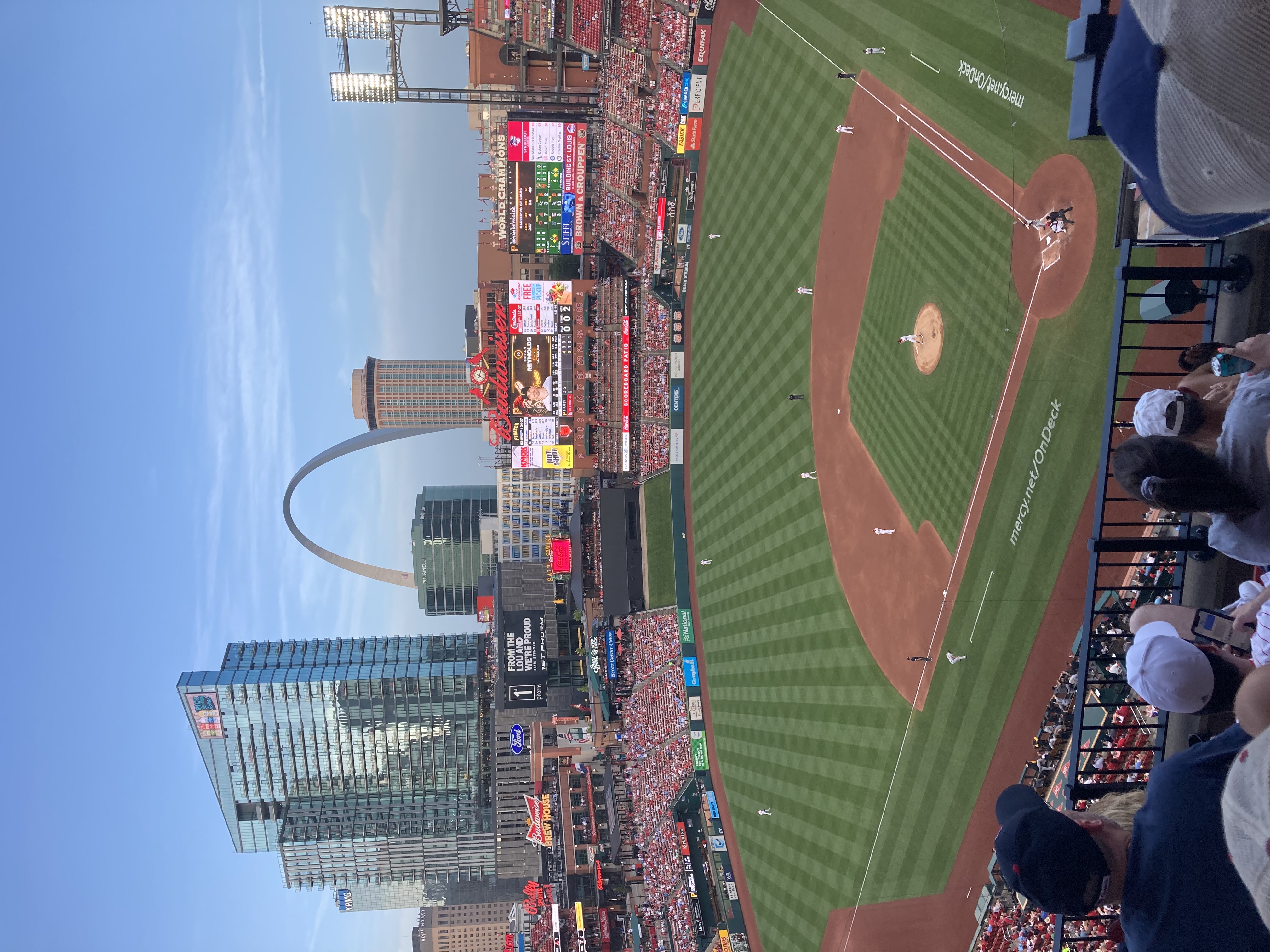
So you're moving to St. Louis. Welcome to the Gateway City — and congratulations on one of the best decisions you'll make this year.
Whether you're relocating for a new job, following family, or just ready for a fresh start somewhere with a little more elbow room and a lot more character, St. Louis has a way of surprising people. It's bigger than you expect, more beautiful than you imagined, and — once you find your neighborhood — it has a small-town warmth that's hard to find in most cities its size.
But before the moving truck backs into your driveway, there are a few things every St. Louis newcomer should know. Consider this your insider's orientation guide.
1. The St. Louis Metro Is Two States — And You're Going to Want to Know the Difference
Here's the first thing that trips up almost every newcomer: St. Louis isn't just one city, and it straddles two states. The metro area stretches across both Missouri and Illinois, separated by the Mississippi River. The Missouri side — which includes the City of St. Louis, St. Louis County, St. Charles County, Jefferson County, and dozens of municipalities — is where most of the residential action is.
Why does this matter? Because Missouri and Illinois have different tax structures, different school districts, different real estate markets, and genuinely different community vibes. When people say "St. Louis," they usually mean the Missouri side. And if someone asks what zip code you live in, they're probably trying to figure out which county you're in — not just which city.
Getting oriented to the layout early will save you a lot of confusion. Pro tip: the Missouri side is west of the river, and the Gateway Arch (on the riverfront) is your landmark for getting your bearings.
2. Your Zip Code Matters More Than You Think
One of the most important lessons for St. Louis newcomers is this: neighborhoods vary dramatically, even block by block. St. Louis has a rich, distinct neighborhood culture — over 70 recognized neighborhoods in the city alone, plus dozens of municipalities and suburbs in the county — and the character, school district, and home values can shift significantly just a few streets over.
Here's a quick orientation to some popular Missouri-side neighborhoods and suburbs:
- Clayton — The county seat of St. Louis County, Clayton is upscale, walkable, and professional, with a thriving business district, excellent schools, and restaurants that rival any major city. It's a top choice for corporate relocations and professionals.
- Webster Groves — Tree-lined streets, historic homes, a charming downtown strip, and a deeply community-oriented vibe make Webster Groves one of the most beloved family destinations in the metro.
- Kirkwood — Similar to Webster Groves in feel, Kirkwood offers a small-town atmosphere with a lovely downtown, great schools, and a strong sense of local pride.
- Soulard — One of the oldest neighborhoods in the city, Soulard is known for its gorgeous 19th-century architecture, cobblestone streets, nightlife, and the famous Soulard Farmers Market. It's a great fit for young professionals and urban lifestyle lovers.
- Central West End (CWE) — Chic and walkable, the CWE sits across from Forest Park and adjacent to Washington University's medical campus. It's a hub for healthcare professionals, academics, and anyone who loves a vibrant café and restaurant scene.
- St. Charles — Across the Missouri River to the northwest, St. Charles County has been one of the fastest-growing areas in Missouri. It offers newer construction, top-rated schools, and a historic downtown on the Missouri River.
- The Hill — St. Louis's beloved Italian-American neighborhood, known for its incredible restaurants, old-school delis, and a community pride that's been going strong since the early 1900s.
Our recommendation: spend a few weekends exploring different neighborhoods before you commit to a location. Drive around, grab lunch, walk the streets. The right neighborhood will feel right.
3. Your Dollar Goes a Lot Further Here
If you're relocating from a coastal city, you're in for a very pleasant surprise. St. Louis's cost of living is consistently below the national average — roughly 6% lower overall — and housing costs run about 15% below the national average. For context, St. Louis is 15% less expensive than Chicago, 46% less than Washington D.C., and 79% less than New York City.
What does that mean in practical terms? It means the home you can afford here is likely bigger, better located, and more charming than what you left behind. The metro area's 2025 median home price sits around $260,000, and urban apartments average $1,200–$1,900 per month depending on location. For families comparing markets, it's common to find that your housing budget stretches dramatically further in St. Louis than wherever you're coming from.
For buyers, this affordability — combined with the quality of life the city offers — makes St. Louis one of the genuinely smart real estate bets in the Midwest.
4. The Job Market Is Stronger Than You'd Expect
St. Louis tends to fly under the radar nationally, but it's home to a remarkably diverse and resilient economy. The metro's job growth rate of 2.6% ranks third among the nation's major metropolitan areas, and it ranks 16th in GDP despite being only 23rd in population — meaning this city punches well above its economic weight.
Major employers across the region include BJC HealthCare, Centene Corporation, Boeing, Washington University, Edward Jones, Emerson Electric, and Enterprise Mobility (yes, the rental car company was founded right here). The healthcare and bioscience sectors in particular are booming, and AgTech and plant science have become significant growth areas as well.
The unemployment rate in the St. Louis area hovers around a healthy 2.8%, and the city's central geographic location makes it a logistics and distribution hub with strong blue- and white-collar employment across the board.
5. The Weather Is… A Lot
Let's be honest with you: St. Louis weather has a reputation, and that reputation is mostly earned.
Summers are hot and humid — expect temperatures regularly climbing into the upper 80s and 90s with significant humidity. Winters can be gray, wet, and cold, with temperatures dropping into the 20s and occasional ice storms (St. Louis gets more ice than snow, which longtime residents will tell you is the worse of the two options). Spring and fall are beautiful but brief — sometimes feeling like they last only a few weeks before the next extreme arrives.
The saving grace? St. Louis has gorgeous stretches of weather in October and early November that locals will tell you make everything else worth it. And the city's abundance of parks, trails, outdoor patios, and open-air venues means that when the weather is good, the whole city comes alive.
Practical advice for newcomers: invest in a good winter coat and layers for the shoulder seasons, and don't be caught off-guard by how quickly conditions can shift, especially in spring and fall.
6. The Food Scene Will Blow You Away — And Some of It Is Uniquely St. Louis
Food is a serious point of local pride in St. Louis, and for good reason. The city gave the world toasted ravioli, gooey butter cake, and — famously — the waffle cone (born at the 1904 World's Fair). St. Louis-style pizza, with its cracker-thin crust, square cuts, and Provel cheese, is either a revelation or a conversation starter depending on who you ask.
Beyond the local classics, St. Louis has a genuinely thriving restaurant scene with acclaimed chefs, a growing farm-to-table movement, and neighborhood dining districts that deserve serious exploration. Soulard, The Hill, the Delmar Loop, Cherokee Street, and South Grand are just a few of the areas where food lovers will want to spend time.
And of course — you'll want to make an early pilgrimage to Ted Drewes on Chippewa for a frozen custard concrete. It's a St. Louis rite of passage, and the lines are worth every minute.
7. Free World-Class Attractions Are Just Part of Life Here
This one genuinely surprises most newcomers: some of St. Louis's best attractions are completely free, and locals take it for granted.
Forest Park — which is larger than New York's Central Park — is home to the Saint Louis Zoo (free), the Saint Louis Art Museum (free), the Missouri History Museum (free), and the Saint Louis Science Center (free). The park also has a public golf course, a boathouse, tennis courts, and miles of walking and biking trails. It's one of the great urban parks in America, and it's free to enjoy.
Add in the newly renovated Gateway Arch grounds and museum, the Missouri Botanical Garden (one of the finest in the world), the Muny (the nation's largest outdoor musical theater), and a robust calendar of free festivals and community events, and you start to understand why St. Louis consistently ranks as one of the best cities in the country for families.
Sports fans will also feel right at home — the Cardinals (baseball) and Blues (hockey) are beloved institutions with deeply passionate fanbases, and St. Louis City SC has brought Major League Soccer to the city with enormous enthusiasm.
One More Thing: Find Your People Quickly
St. Louisans are famously friendly — and famously curious about where you went to high school (yes, it's a real thing, and yes, everyone does it). The city has a strong neighborhood and community culture, and newcomers who get involved quickly — in a neighborhood association, a local church, a recreational league, or even just a regular spot at a local coffee shop — tend to fall in love with St. Louis fast.
This is a city that rewards engagement. The more you explore, the more you discover. And the more you discover, the more it starts to feel like home.
We're Here to Help You Land in the Right Spot
At Nations Network, helping people find their place in St. Louis is what we do every day. Whether you're still weeks away from your move or already unpacking boxes and realizing you want to buy instead of rent, we'd love to connect and share what we know about the neighborhoods, the market, and everything in between.
or another way