

Categories
Local SpotlightPublished May 13, 2025
Landscaping with Native Plants

Landscaping with Native Plants: A Smart Choice for Your Home and the Environment
When it comes to enhancing your home's curb appeal and creating a beautiful outdoor space, landscaping with native plants is an excellent choice. Native plants are species that naturally occur in your region, adapted to the local climate, soil, and wildlife. Incorporating them into your landscaping offers numerous benefits that go beyond aesthetics.
Why Choose Native Plants for Your Landscape?
-
Low Maintenance and Cost-Effective
Native plants require less water, fertilizer, and pesticides compared to non-native species. Because they are well-suited to your area's conditions, they thrive with minimal care, saving you time and money on upkeep. -
Support Local Wildlife
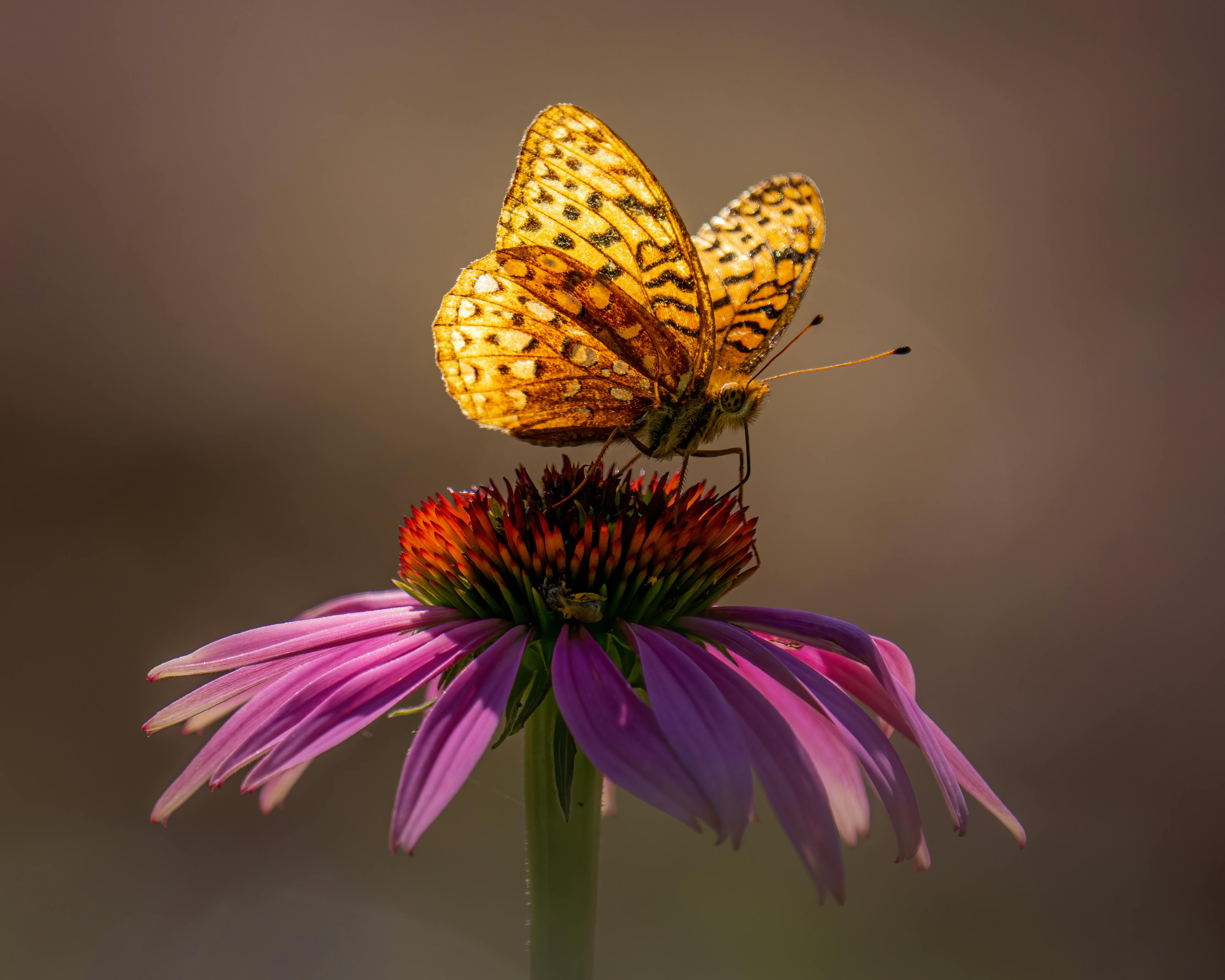
Native plants provide essential food and habitat for local birds, butterflies, bees, and other pollinators. By planting native species, you contribute to preserving biodiversity and promoting a healthy ecosystem right in your backyard. -
Enhance Property Value
A thoughtfully designed landscape featuring native plants can boost your home's curb appeal and marketability. Prospective buyers often appreciate sustainable, low-maintenance yards that blend naturally with the surrounding environment. -
Environmental Benefits
Using native plants helps conserve water, reduce soil erosion, and improve air quality. They also reduce the need for chemical inputs, which can harm the environment.
Tips for Landscaping with Native Plants
-
Research Local Species: Start by identifying native plants that thrive in your region. Your local extension office or native plant societies can be valuable resources.
-
Plan for Diversity: Incorporate a mix of trees, shrubs, perennials, and groundcovers to create a balanced and visually appealing landscape.
-
Consider Seasonal Interest: Choose plants that offer color, texture, and blooms throughout different seasons to keep your yard vibrant year-round.
-
Prepare Your Soil: While native plants are adaptable, preparing your soil properly will help them establish quickly.
-
Group Plants by Water Needs: This practice, known as hydrozoning, ensures efficient watering and healthier plants.
1. Purple Coneflower (Echinacea purpurea): A favorite among gardeners, this perennial produces striking purple-pink flowers that attract butterflies and bees. It’s drought-tolerant and blooms from mid-summer to early fall.
2. Black-eyed Susan (Rudbeckia hirta): Known for its bright yellow petals and dark centers, Black-eyed Susan is a hardy wildflower that adds cheerful color to any garden. It’s low-maintenance and thrives in full sun.
3. Wild Bergamot (Monarda fistulosa): Also called bee balm, this plant features lavender to pink flowers that attract hummingbirds and pollinators. It’s great for naturalizing and adds a lovely fragrance to your garden.
4. Switchgrass (Panicum virgatum): A native ornamental grass that provides texture and movement. It’s drought-resistant and offers beautiful fall color, making it perfect for borders or naturalized areas.
5. Serviceberry (Amelanchier arborea): A small native tree or large shrub that produces white spring flowers followed by edible berries. It’s excellent for adding structure and seasonal interest to your yard.
6. Wild Blue Indigo (Baptisia australis): This perennial has striking blue flowers and is very drought-tolerant once established. It’s a great choice for adding color and attracting pollinators.
7. Ohio Spiderwort (Tradescantia ohiensis): With its delicate blue-purple flowers, this plant blooms in the morning and is perfect for naturalized or prairie-style gardens.
If you're considering selling your home or simply want to enhance your outdoor space, landscaping with native plants is a smart investment. It not only beautifies your property but also reflects a commitment to sustainability that resonates with many homebuyers today.
or another way